Inauguration of the Renovated Department
Event: A New Beginning: Inauguration of the Renovated Computer Engineering Department
Event Date: 17-8-2026
Event Overview
A New Beginning: Inauguration of the Renovated Computer Engineering Department
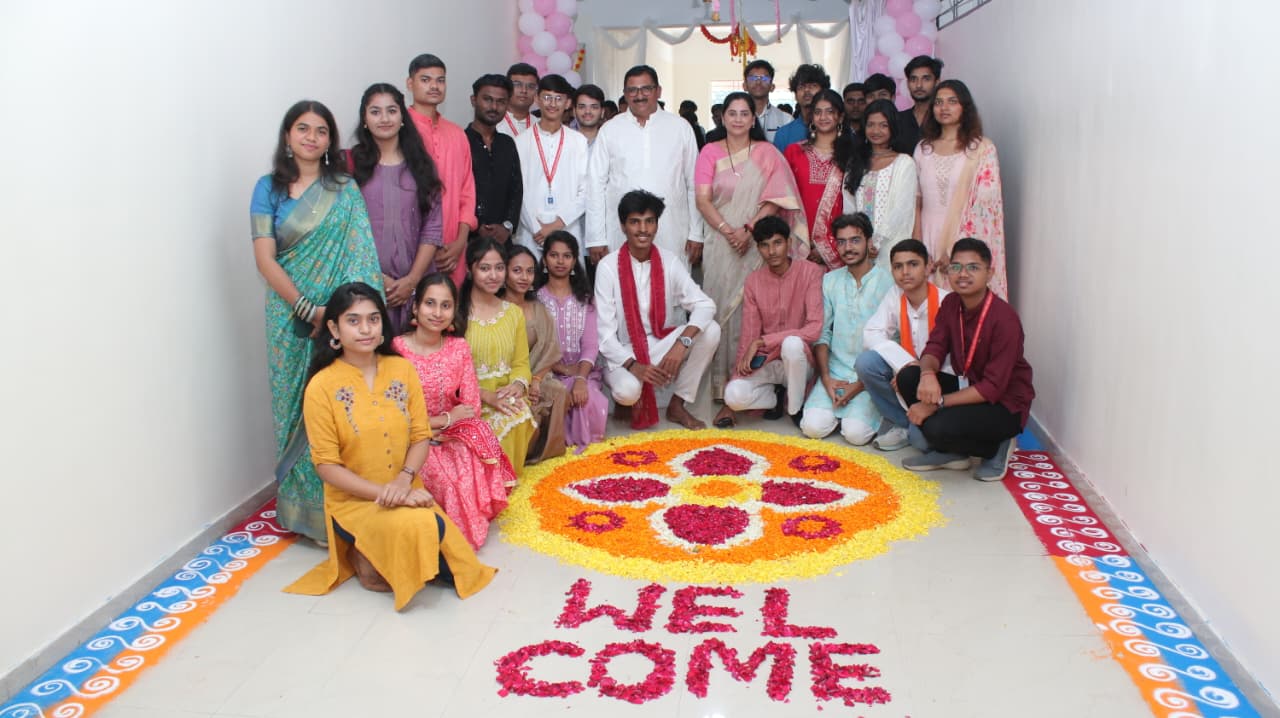
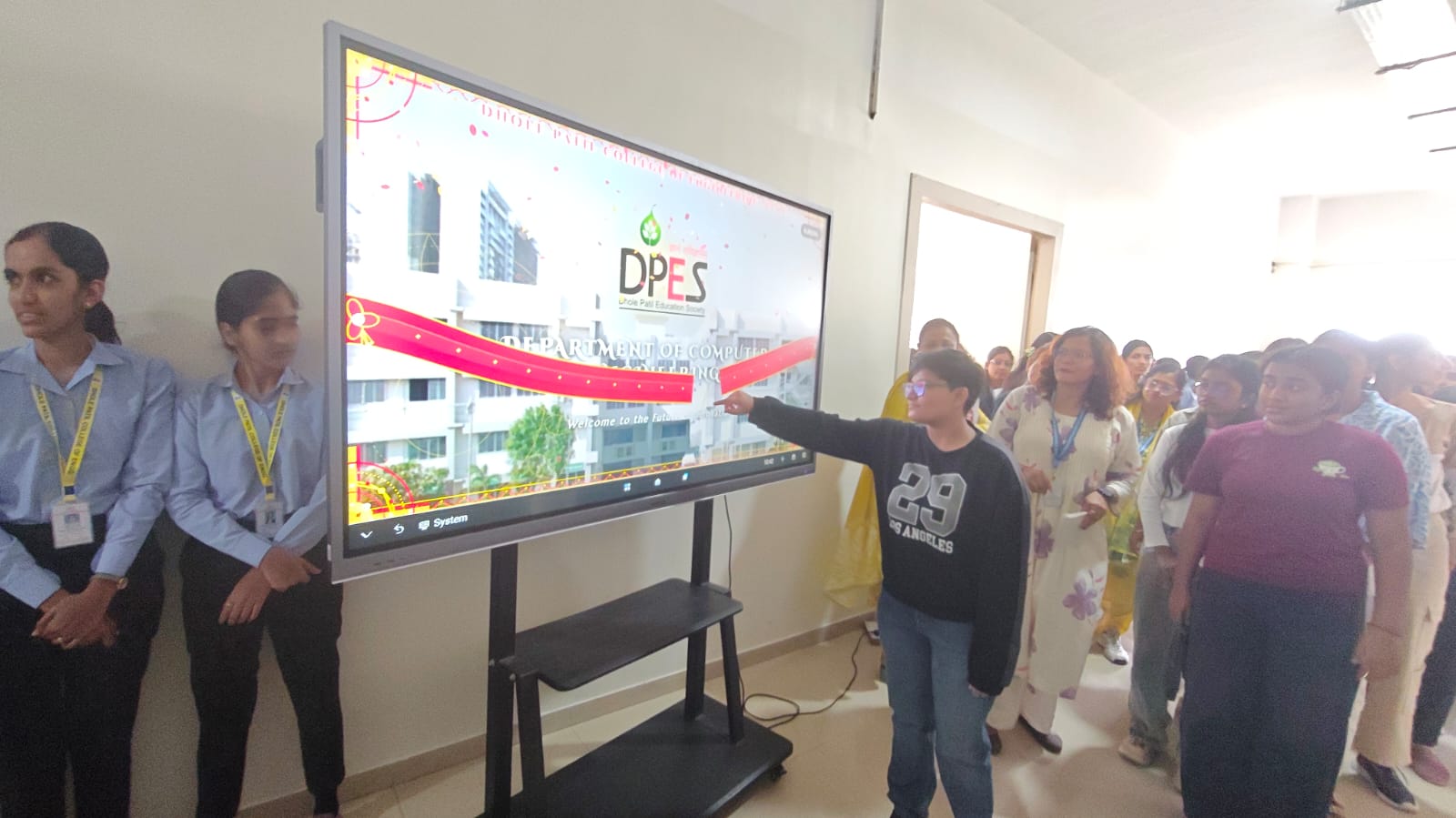
Under the esteemed guidance of Hon. Chairman Shri Sagar Dhole Patil Sir, respected Principal Dr. Abhijit Dandavate Sir, and Head of Department Dr. Vishvas Kalunge Sir, the Department of Computer Engineering celebrated the inauguration of its newly renovated department on 17th August 2026.
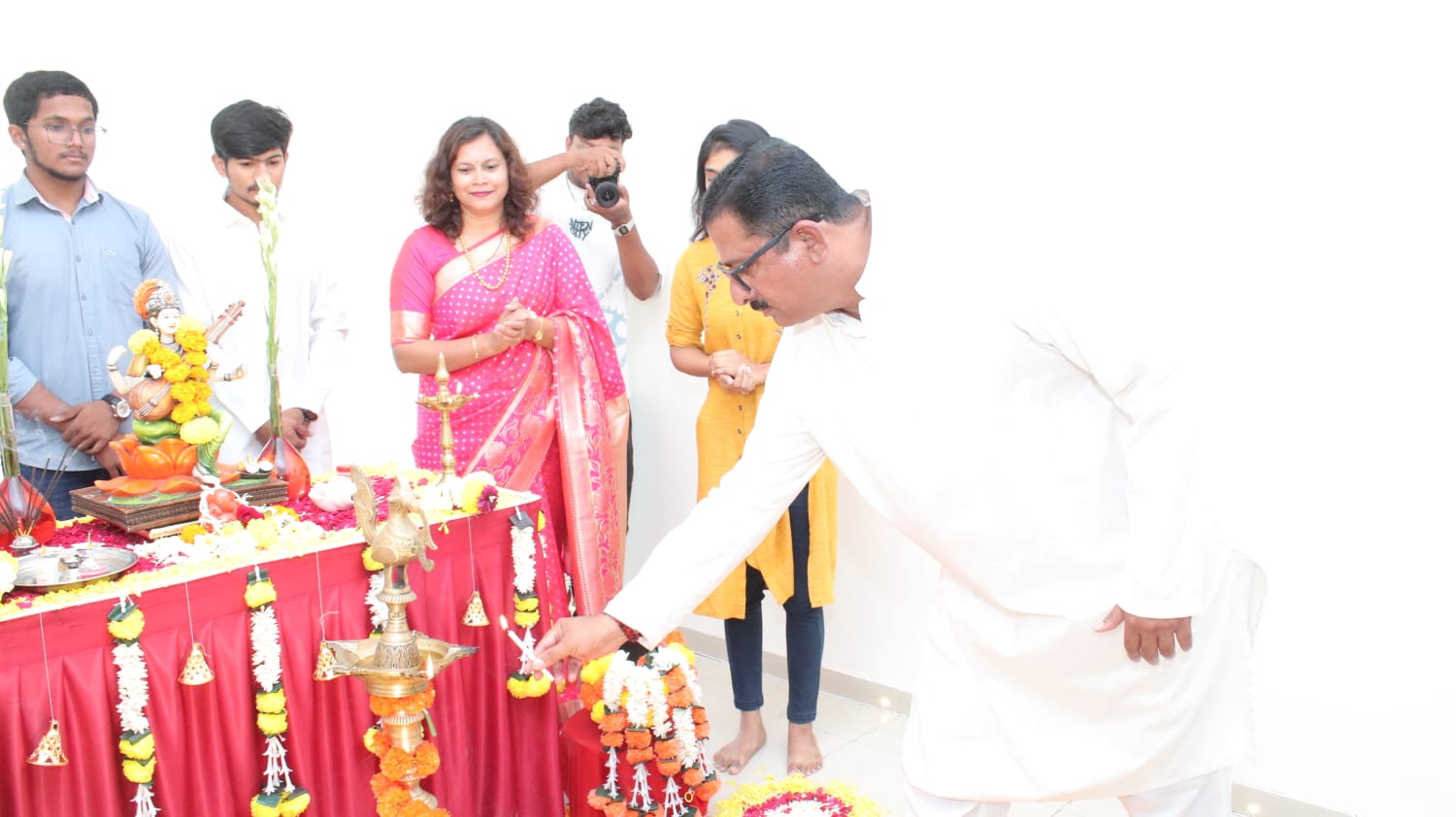
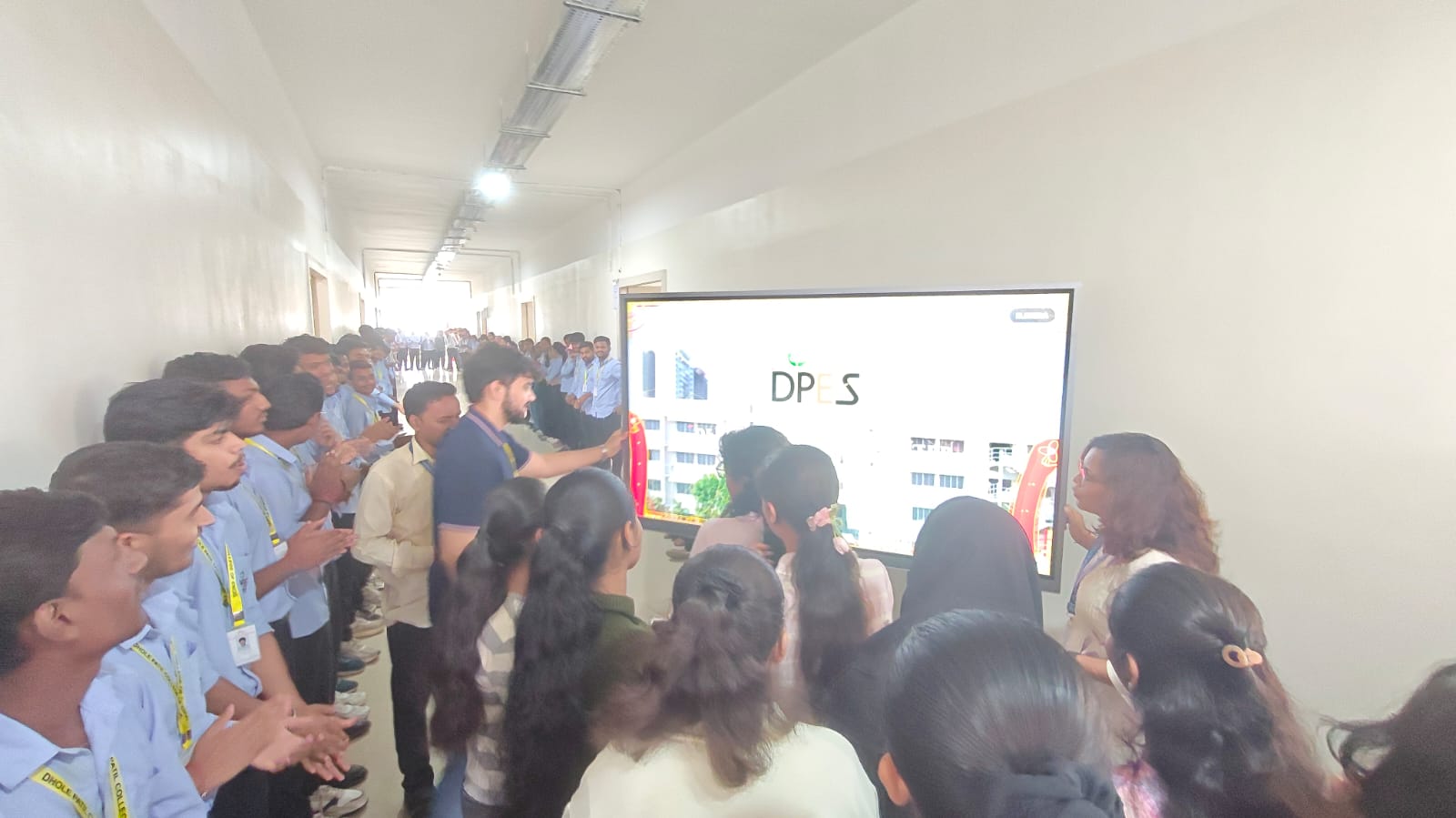
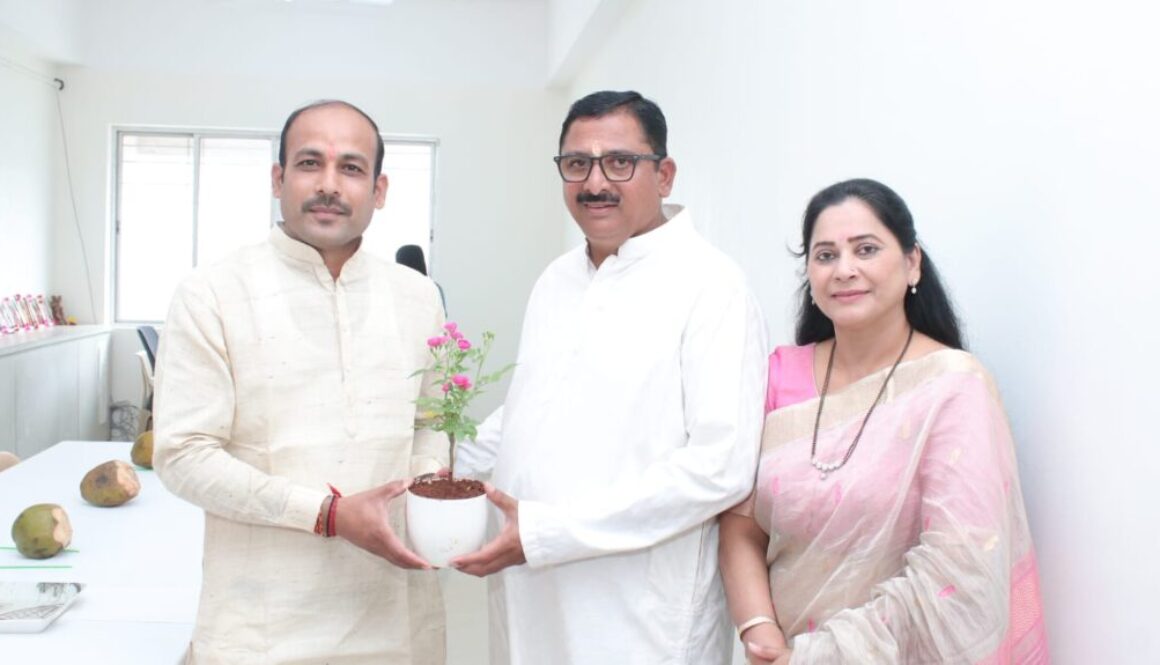
The renovated department was digitally inaugurated by our Hon. Chairman Shri Sagar Dhole Patil Sir and respected Secretary Mrs. Uma Mam. The inauguration marked a significant step towards creating a modern, inspiring, and student-friendly academic environment.
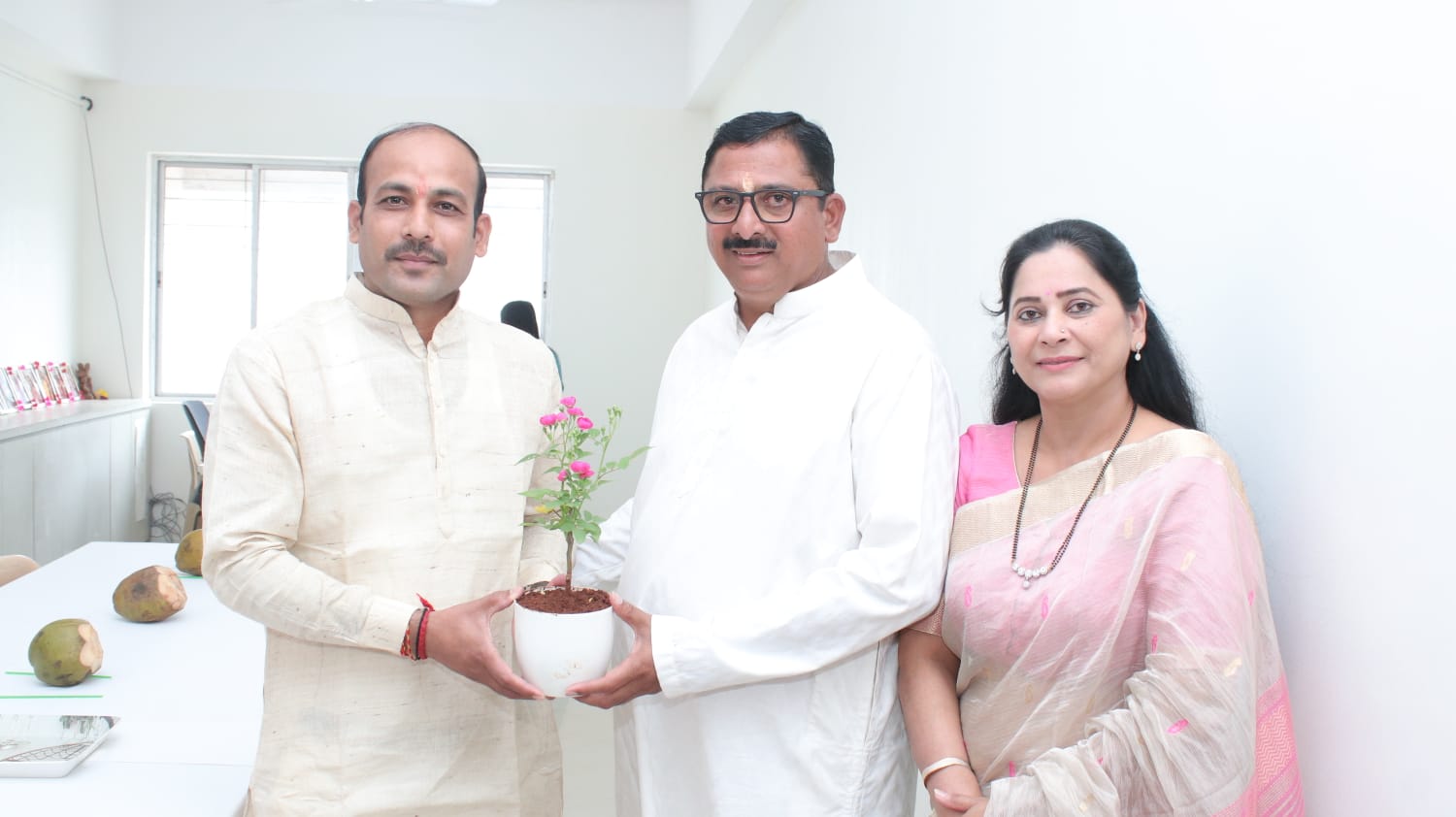
The department extends its heartfelt gratitude to Hon. Chairman Shri Sagar Dhole Patil Sir for his visionary approach and generous support in providing the department with a beautifully renovated and enhanced learning space. His continuous emphasis on quality education and student development inspires us to strive for excellence.
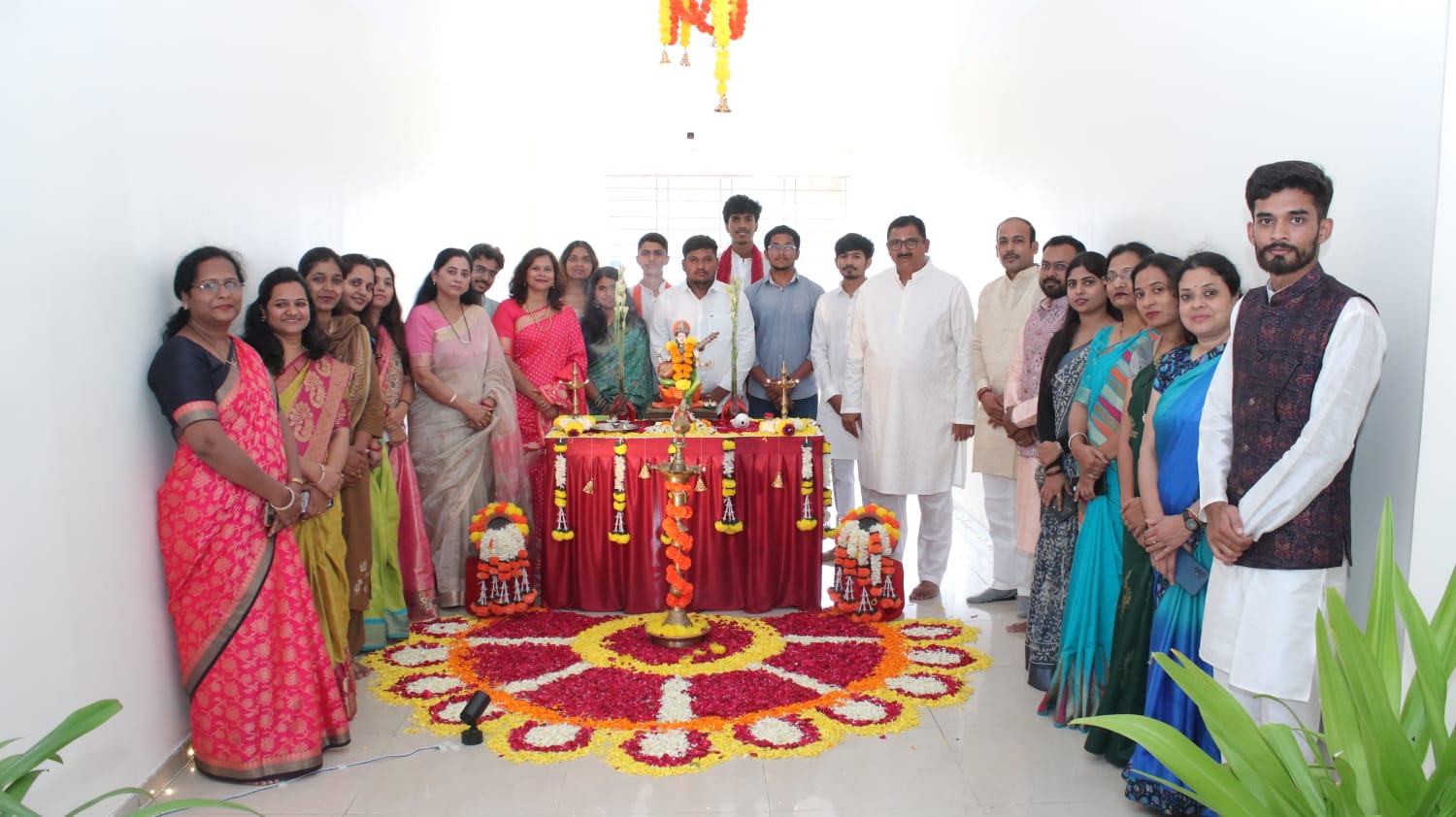
The inauguration was followed by a Satyanarayan Pooja, seeking blessings for the continued growth, prosperity, and success of the department.
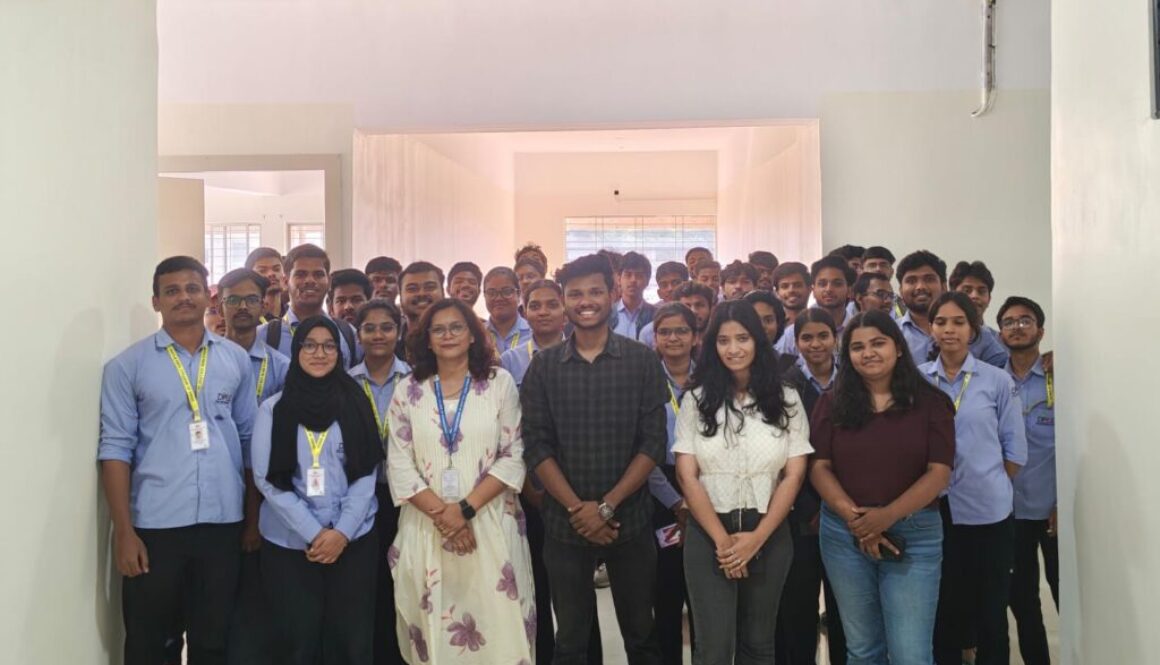
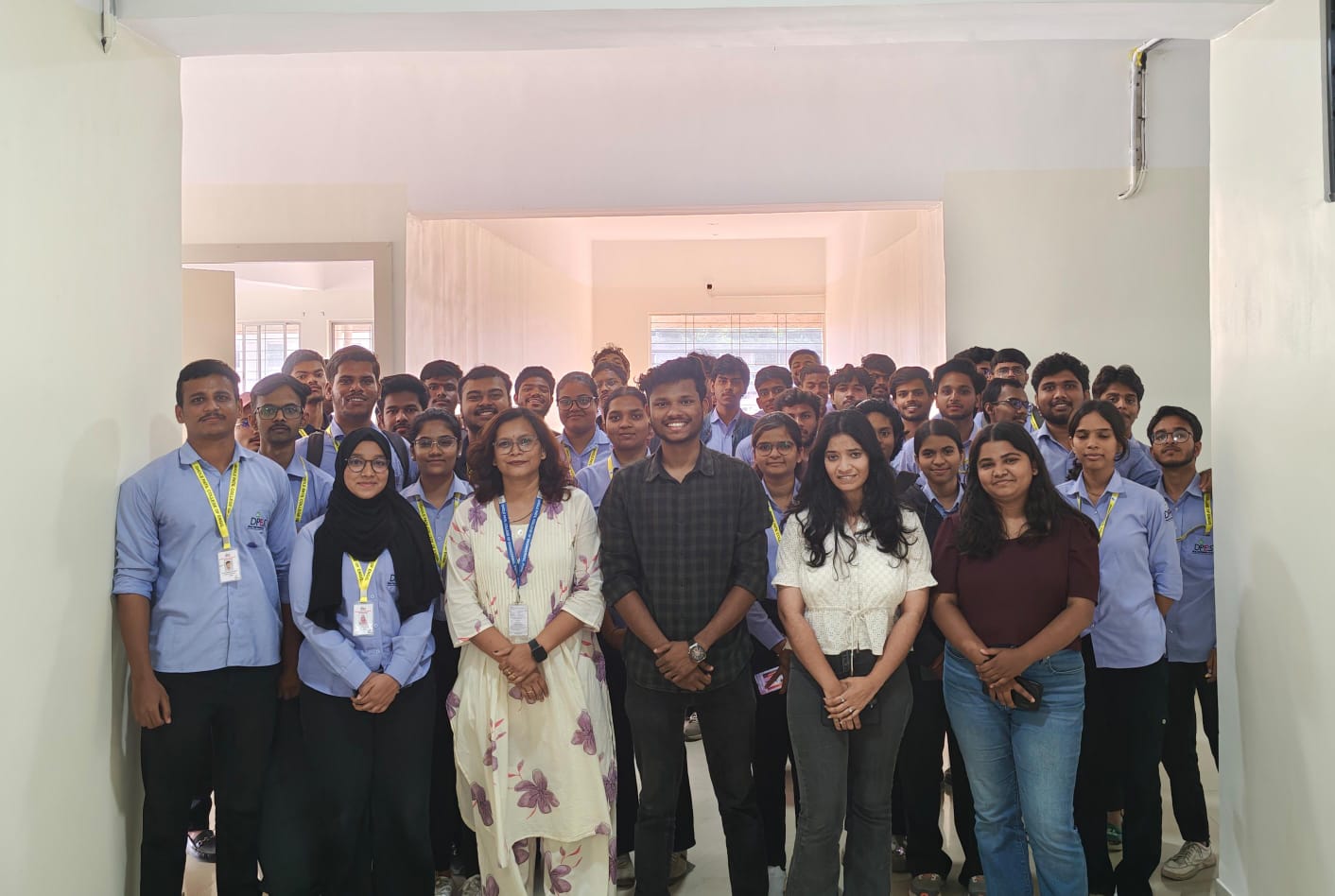
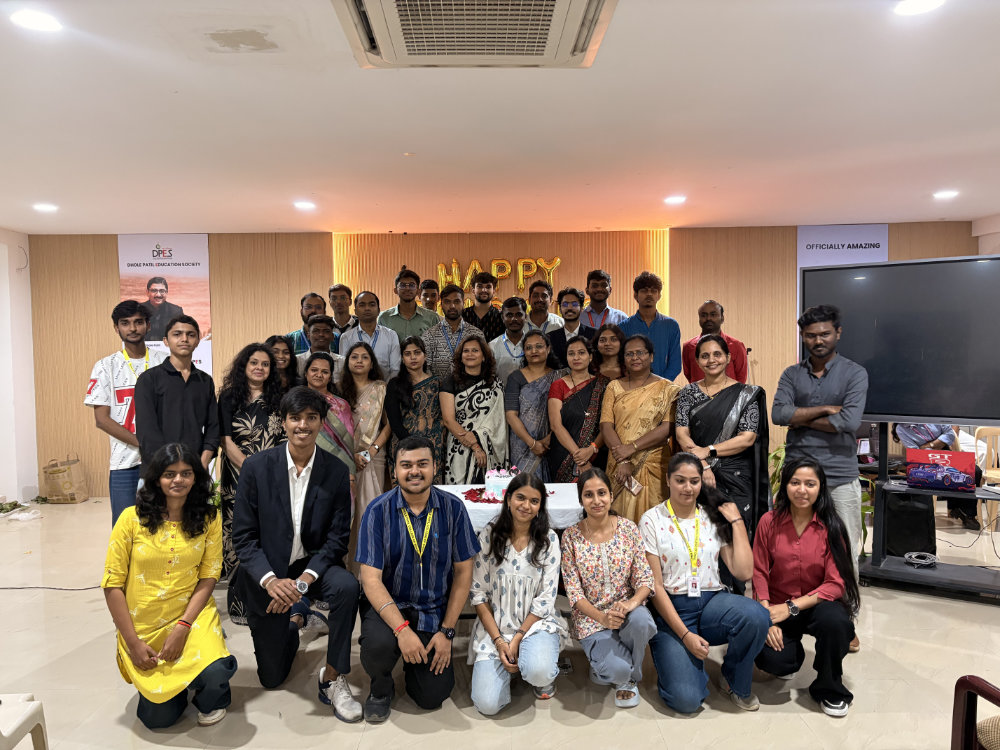
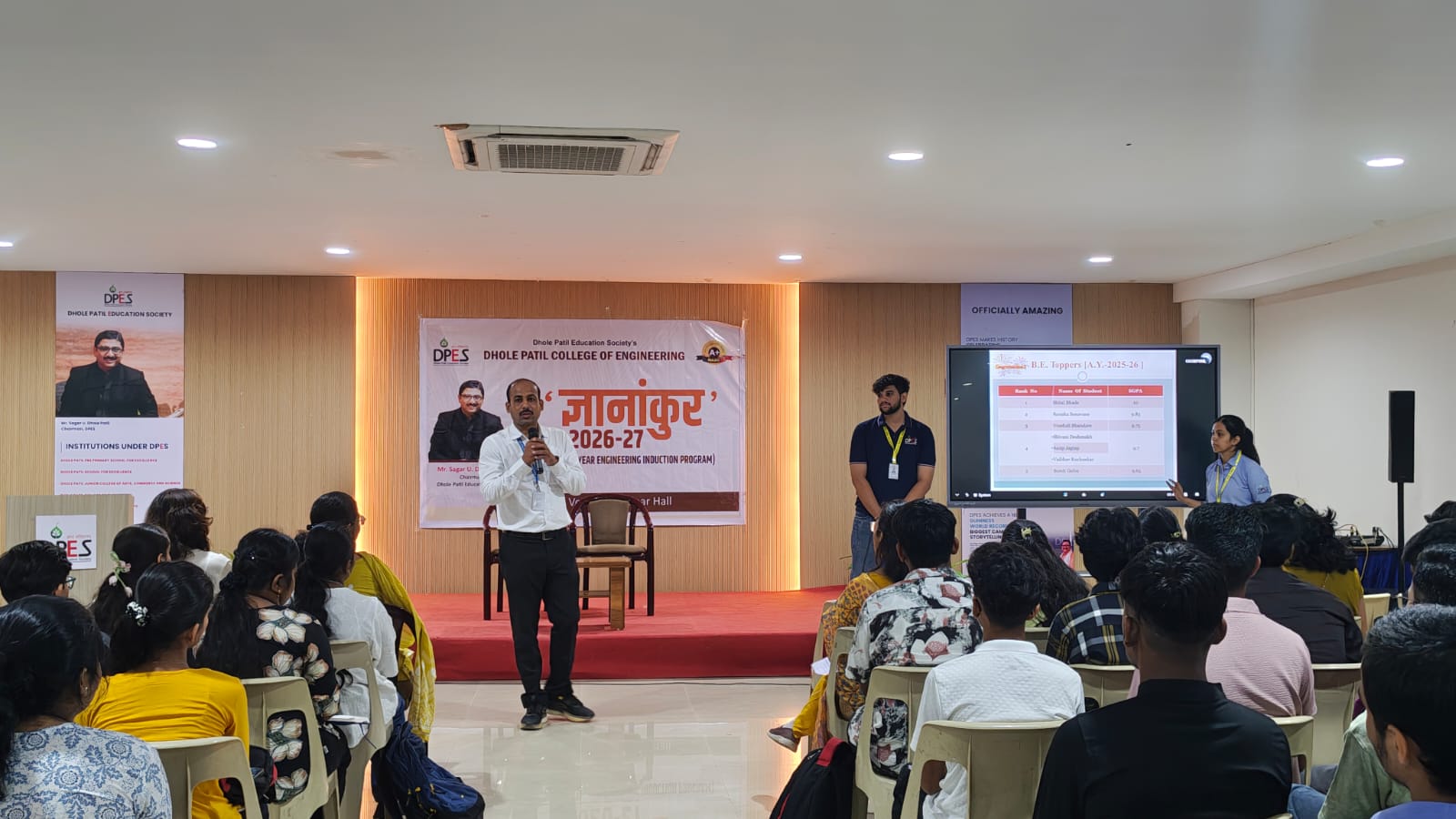
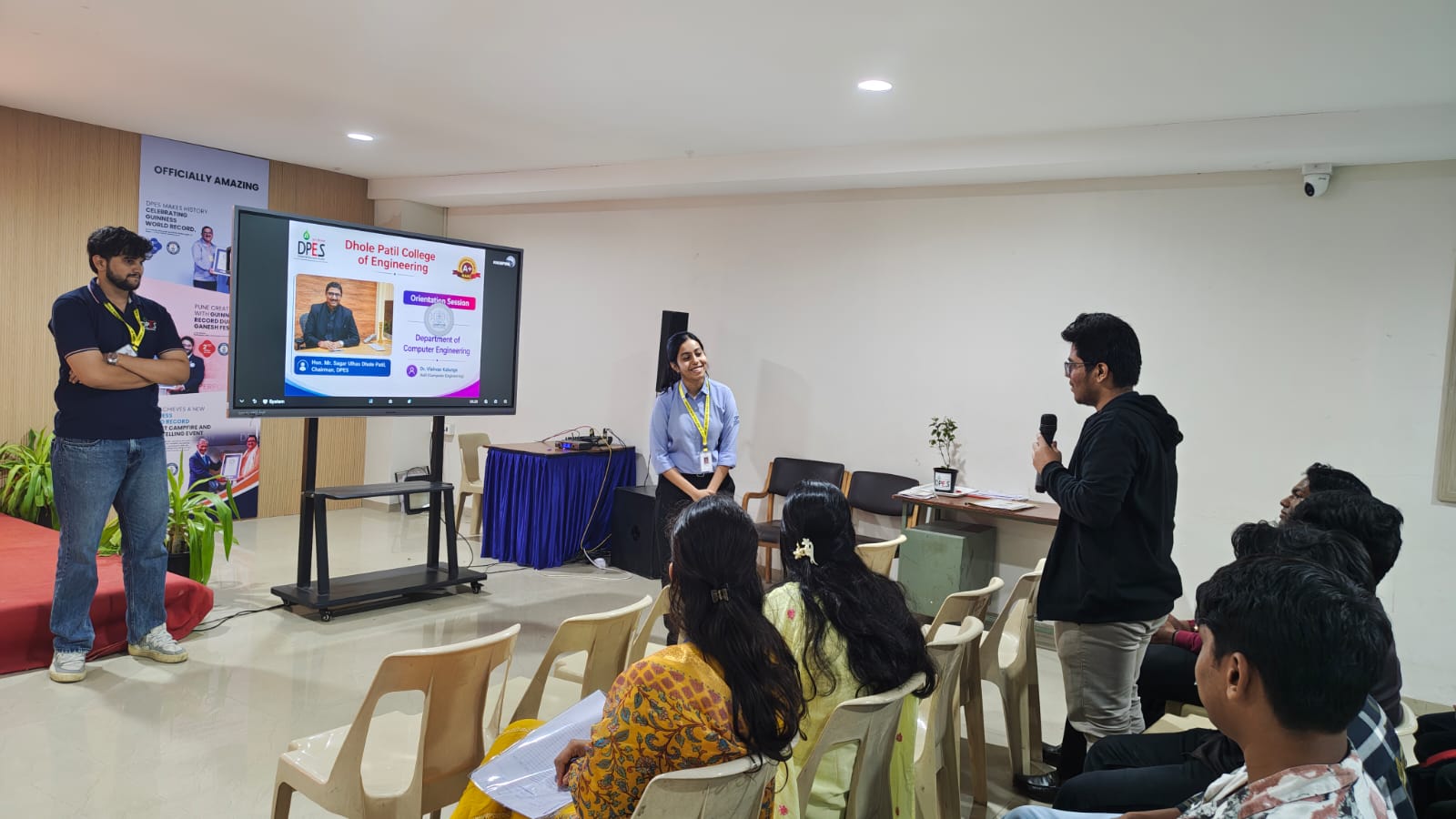
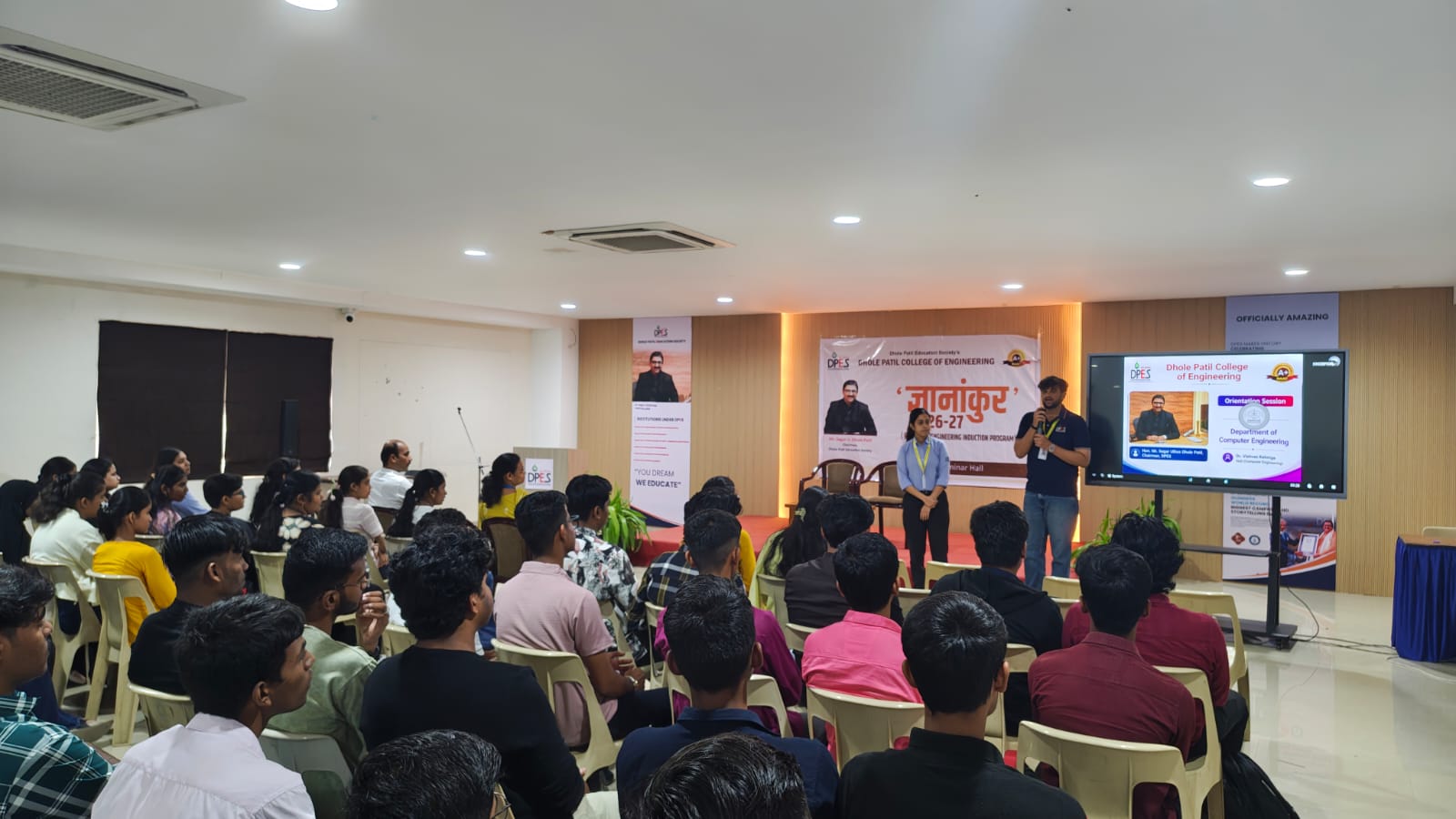
The entire event was planned and organized by the enthusiastic students of the Computer Engineering Department under the guidance and coordination of Prof.Yugashree Mam, Event Coordinator. The active involvement and teamwork of the students made the celebration meaningful and memorable.
The renovated department stands as a symbol of progress, innovation, and our commitment towards providing students with a better learning environment.