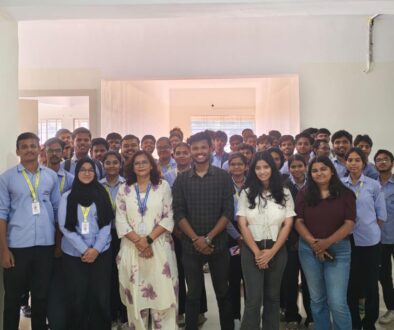
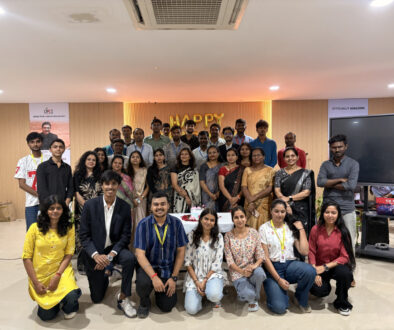
Seminar on “CO-PO-PSO Mapping “ and Rubrics

Event Name Seminar on “CO-PO-PSO Mapping “ and Rubrics
Date: 19/03/2024
Venue: Smart Classroom 14
Expert : Dr Aarti Dandavate.
The topics Covered in FDP are:
- CO-PO-PSO mapping
- Continuous Assessment sheet
- Academic review and planning
- CO-PO-PSO Mapping:
The Seminar on CO-PO-PSO Mapping provided an insightful discussion on the alignment and assessment of program outcomes (POs) and program-specific outcomes (PSOs) with course outcomes (COs). The seminar emphasized the importance of clearly defining and understanding these outcomes to ensure the effectiveness of academic programs. COs represent the specific knowledge, skills, and abilities that students should acquire upon completion of a course. POs define the broader educational goals of a program, while PSOs are tailored to the unique characteristics and objectives of a particular program.
Key Points Covered:
- Definition and significance of COs, POs, and PSOs.
- The role of CO-PO-PSO mapping in curriculum development and assessment.
- Strategies for effectively mapping COs to POs and PSOs.
- Challenges and potential solutions in implementing CO-PO-PSO mapping
2. Continuous Assessment Sheet:
The seminar also delved into the concept of continuous assessment sheets as a tool for evaluating student performance in relation to COs, POs, and PSOs throughout the duration of a course or program. Continuous assessment allows educators to monitor student progress, identify areas for improvement, and make timely interventions to support student learning. These assessment sheets typically include a variety of assessment methods such as quizzes, assignments, projects, presentations, and examinations.
Key Components Discussed:
- Designing assessment criteria aligned with COs, POs, and PSOs.
- Incorporating formative and summative assessment strategies.
- Providing timely and constructive feedback to students.
- Using assessment data to inform instructional practices and curriculum revisions.
- Academic Review and Planning:
Furthermore, the seminar shed light on the significance of academic review and planning in the context of CO-PO-PSO mapping. Regular review and planning processes are essential for ensuring that educational programs remain relevant, effective, and responsive to changing needs and expectations. Academic review involves evaluating the attainment of COs, POs, and PSOs, identifying areas of strength and weakness, and implementing appropriate measures for improvement.
Highlighted Aspects:
- Establishing mechanisms for program evaluation and review.
- Engaging faculty, students, alumni, and industry stakeholders in the review process.
- Utilizing feedback and data from assessment activities for program enhancement.
- Integrating emerging trends, technologies, and industry demands into academic planning.