Peer Learning Report: Introduction to Node.js by

Event Name : Peer Learning Report: Introduction to Node.js by
Date : 15/03/2024
Venue: Smart Classroom #14
Audience : TE Students
Introduction:
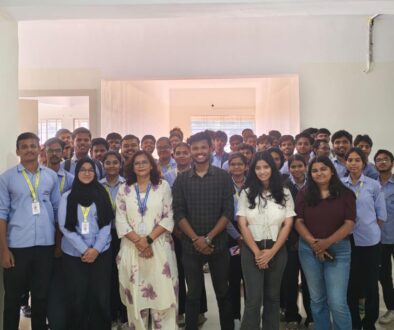
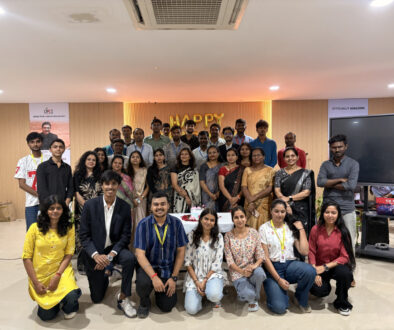
The following report outlines the peer learning session conducted by Mr. Amar Pakhare, a third-year engineering student, on the topic of Node.js. The session covered the fundamentals of Node.js, its applications, installation procedures, and included a demonstration to solidify understanding among participants.
Objective:
The primary objective of the peer learning session was to introduce participants to Node.js, a popular JavaScript runtime environment, and provide them with the necessary knowledge and skills to begin working with it effectively.
Content Covered:
Discussion on various real-world applications of Node.js, such as web servers, APIs, real-time applications, and micro services. Highlighting its usage in popular frameworks like Express.js.
Installation Procedures:
Step-by-step guide on how to install Node.js on different operating systems (Windows, macOS, Linux).
Brief overview of package managers like npm (Node Package Manager) and yarn.
Demonstration:
1. Practical demonstration of setting up a basic Node.js server.
2. Showcase of creating routes, handling requests, and serving static files using Express.js.
3. Deployment of a simple application to a local server for participants to interact with.
Session Execution:
Mr. Amar Pakhare conducted the session in an interactive manner, encouraging participants to ask questions and engage in discussions throughout the presentation. Visual aids such as slides, code snippets, and live demonstrations were used to facilitate learning and comprehension.
Feedback and Conclusion:
Participants expressed appreciation for the clear and concise explanation provided by Mr. Amar Pakhare. They found the hands-on demonstration particularly helpful in solidifying their understanding of Node.js concepts. Feedback regarding the pacing, clarity, and relevance of the content was overwhelmingly positive.
Conclusion:
In conclusion, Mr. Amar Pakhare’s peer learning session on Introduction to Node.js was well-received and successfully achieved its objective of familiarizing participants with Node.js fundamentals. The session contributed to fostering a collaborative learning environment among peers and empowering them with valuable skills for their engineering journey.
Recommendations for Future Sessions:
Encourage participants to explore additional features and functionalities of Node.js beyond the basics covered in this session.
Incorporate more interactive exercises or coding challenges to further reinforce learning.
Provide resources for participants to continue their learning independently, such as online tutorials, documentation, and community forums.
Overall, the peer learning initiative led by Mr. Amar Pakhare serves as a testament to the spirit of knowledge sharing and collaboration within the engineering community.